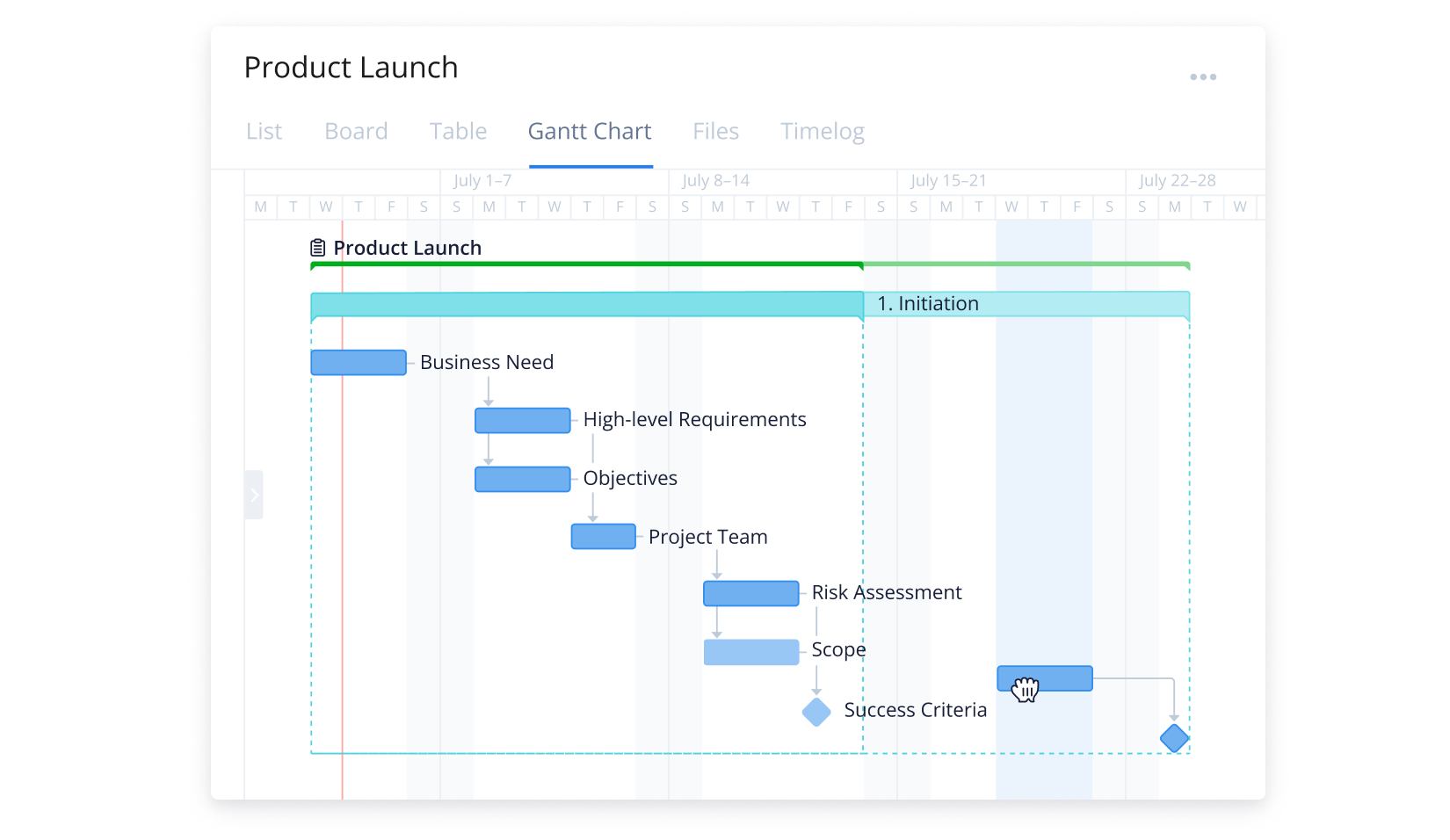
Starting a new business can be an exciting endeavor, but without proper planning, it can quickly become overwhelming. That’s where a well-crafted startup business plan comes in. It serves as your roadmap to success, outlining your ideas, strategies, and goals for your venture. In this article, we’ll explore why a startup business plan is crucial, discuss different types of plans, and provide you with 12 effective tips for writing a winning plan. So grab a cup of coffee and get ready to take your startup to the next level!
What Is a Startup Business Plan?
A startup business plan is a comprehensive document that outlines your ideas, strategies, and action steps for starting, managing, and ultimately achieving your startup’s mission. It’s more than just a document; it’s a roadmap that guides you through every step of your entrepreneurial journey. Whether you’re seeking external funding or simply want a clear path to success, a well-crafted business plan is essential.
Why You Need a Startup Business Plan
1. Secure Funding
One of the primary reasons for creating a startup business plan is to attract investors and lenders. These stakeholders want to ensure they’re investing in a company that has a solid plan for success. Your business plan demonstrates that you have a clear vision, a deep understanding of your target customers, and effective marketing strategies to reach them. It also shows that you have considered the financial aspects of your business and have a plan for long-term growth.
2. Understand Your Target Market
A business plan requires conducting a thorough market analysis. This includes researching your industry, identifying your target market, and analyzing your competitors. By understanding your target customers’ needs, preferences, and pain points, you can develop effective strategies to attract and retain them. This knowledge gives you a competitive edge and helps you focus your efforts on high-return-on-investment (ROI) strategies.
3. Accelerate Financial Health
Financial projections and cash flow analysis are essential components of a startup business plan. By planning your expenses and revenue streams, you can ensure the financial stability of your business. Cash flow projections help you identify potential challenges or opportunities well in advance, allowing you to make informed decisions to keep your operations running smoothly.
How to Write a Startup Business Plan
Now that you understand the importance of a startup business plan, let’s dive into the steps to create one.
1. Clarify Your Startup’s Vision, Mission, and Values
To begin, clearly define your startup’s vision, mission, and values. Ask yourself why your startup exists and what problem it solves for your customers. Your mission statement should capture the essence of your business in a concise yet powerful way. Having a clear vision, mission, and set of values will guide every decision you make and help you stay focused on your goals.
2. Outline the Executive Summary
The executive summary is a concise overview of your entire business plan. It should capture the essence of your startup, highlighting the core customer need and how you plan to address it. Keep it simple and precise, providing enough information to pique the interest of potential investors or partners.
3. Develop Startup Goals and Milestones
Clearly define your startup goals and milestones. What do you want to achieve in the short term, and what are your long-term objectives? Setting specific, measurable, attainable, relevant, and time-bound (SMART) goals will help you stay focused and track your progress.
4. Write a Company Description
Explain who you are as a company and what you do. Provide a summary of your business structure, industry, vision, mission, and any relevant background information about your team members. This section is an opportunity to showcase your unique selling points and demonstrate your expertise and experience in the industry.
5. Conduct Market Analysis
Thoroughly research your target market, competitors, and industry trends. Identify your ideal audience and their pain points. This information will help you tailor your marketing strategies and develop products or services that meet your customers’ needs.
6. Develop Startup Partnerships and Resources
Consider potential sources of funding for your startup, such as grants, loans, investors, or accelerators. Building strategic partnerships can also provide valuable resources and support for your business. Explore various options and choose the ones that align with your goals and values.
7. Write a Startup Marketing Plan and Budget
A well-defined marketing plan is crucial to reach your target audience and build brand awareness. Identify your target audience, develop a strong brand image, and outline your marketing strategies. Additionally, create a startup budget to ensure that your marketing efforts are financially sustainable.
Top Tips for Writing a Winning Startup Business Plan
Now that you have a framework for creating your startup business plan, here are some tips to help you make it shine:
- Know your audience: Tailor your language and level of detail to match the readers’ expectations.
- Have a simple and clear goal: Break down larger goals into smaller, actionable tasks.
- Spend time researching: Gather accurate and up-to-date information from primary and secondary sources.
- Build a startup toolkit: Use the right tools and software to simplify the planning process.
- Keep it precise: Aim for a concise and easy-to-read business plan within 20 pages.
- Ensure tonal consistency: Have one author write the plan or edit it thoroughly for consistency.
- Add reference points: Support your statements with authoritative sources and data.
- Be ready to pivot: Business plans are fluid documents that evolve over time.
Conclusion
A startup business plan is a vital tool for any entrepreneur. It provides a roadmap to success, helps secure funding, and ensures that you stay focused on your goals. By following the steps outlined in this article and incorporating the tips provided, you can create a compelling business plan that sets your startup on the path to success. So roll up your sleeves, unleash your creativity, and start crafting your winning startup business plan today!
Want to learn more about starting and growing a successful business? Visit business for expert advice, helpful resources, and inspiring stories.